From Snake to global esports, mobile gaming has come a long way. And the next chapter could be about making competition accessible to everyone.
For years, mobile gaming was treated as the lightweight version of gaming. Consoles and PCs were where “real” games lived. Phones were where you played Snake while waiting for the bus.
That distinction has become increasingly difficult to defend.
Today, mobile games can draw millions of viewers online, fill venues for major finals, and support increasingly professional competitive ecosystems. And perhaps more importantly, competition is starting to reach beyond professional esports.
The story of mobile gaming is also the story of how it earned its place in competitive gaming.
It started with a few pixels
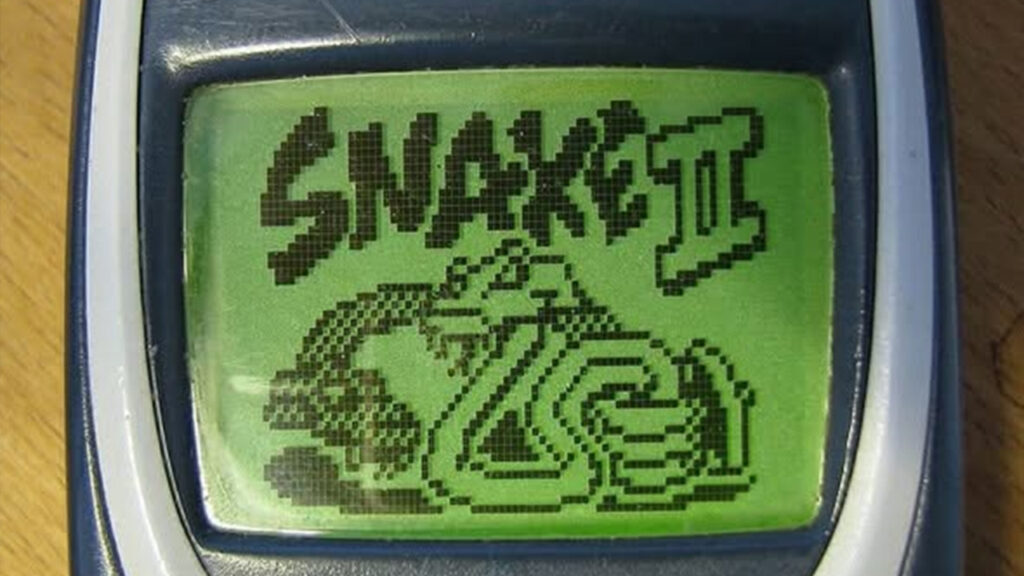
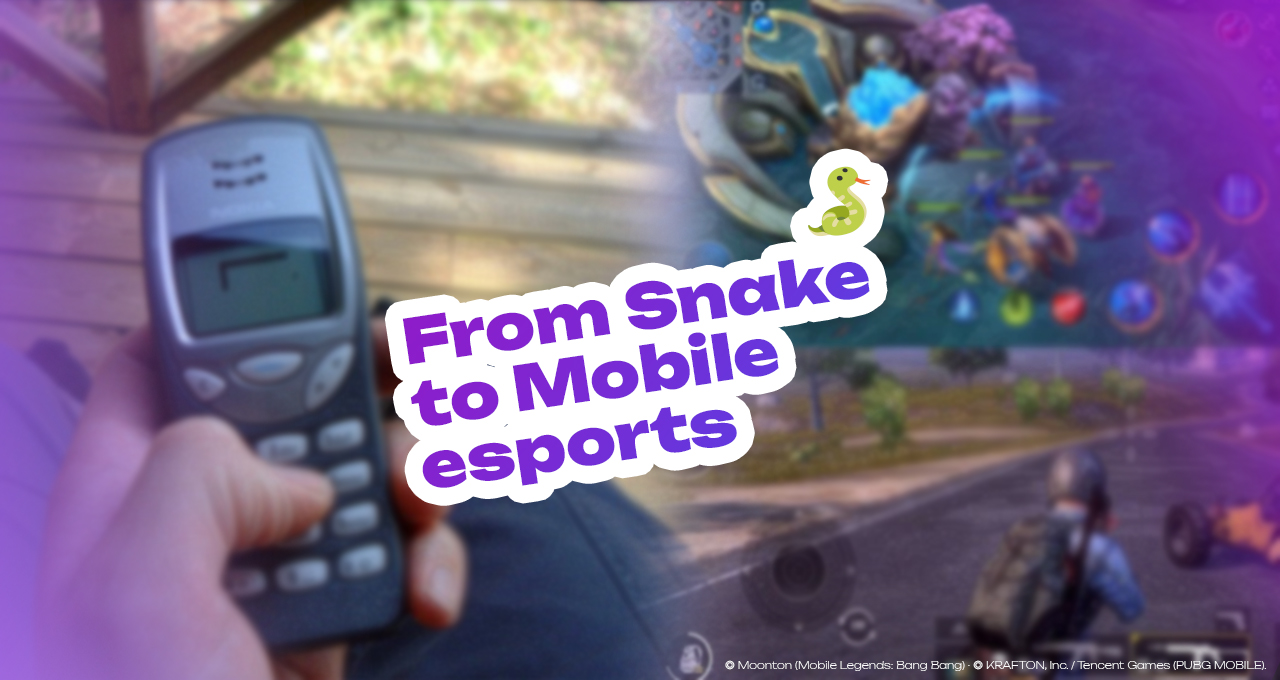
The first mobile games were a long way from what players would consider a proper gaming experience. Tetris appeared on the Hagenuk MT-2000 in 1994, but it was Nokia‘s Snake, introduced on theNokia 6110 in 1997, that brought mobile gaming to a mass audience.
The game was incredibly simple. A tiny monochrome screen, a numeric keypad and a snake getting longer as you played. Nokia eventually shipped Snake and its variants on hundreds of millions of phones.
Snake did something important: it proved that people were willing to play games on a device they carried in their pockets. The games were nowhere near as powerful as what you could play on PC or console. But millions of people were already playing on their phones.
From phone feature to gaming platform
The real shift came when phones stopped being just devices with games on them and became platforms where people could discover, download and play games.
Java ME helped create an early downloadable mobile games ecosystem in the 2000s. Then came the smartphone revolution.
Apple launched the iPhone in 2007, followed by the App Store in 2008. Suddenly, developers had a common platform for distributing games directly to millions of users. The combination of touchscreens, increasingly powerful processors, better connectivity and a global app marketplace changed what mobile games could be.
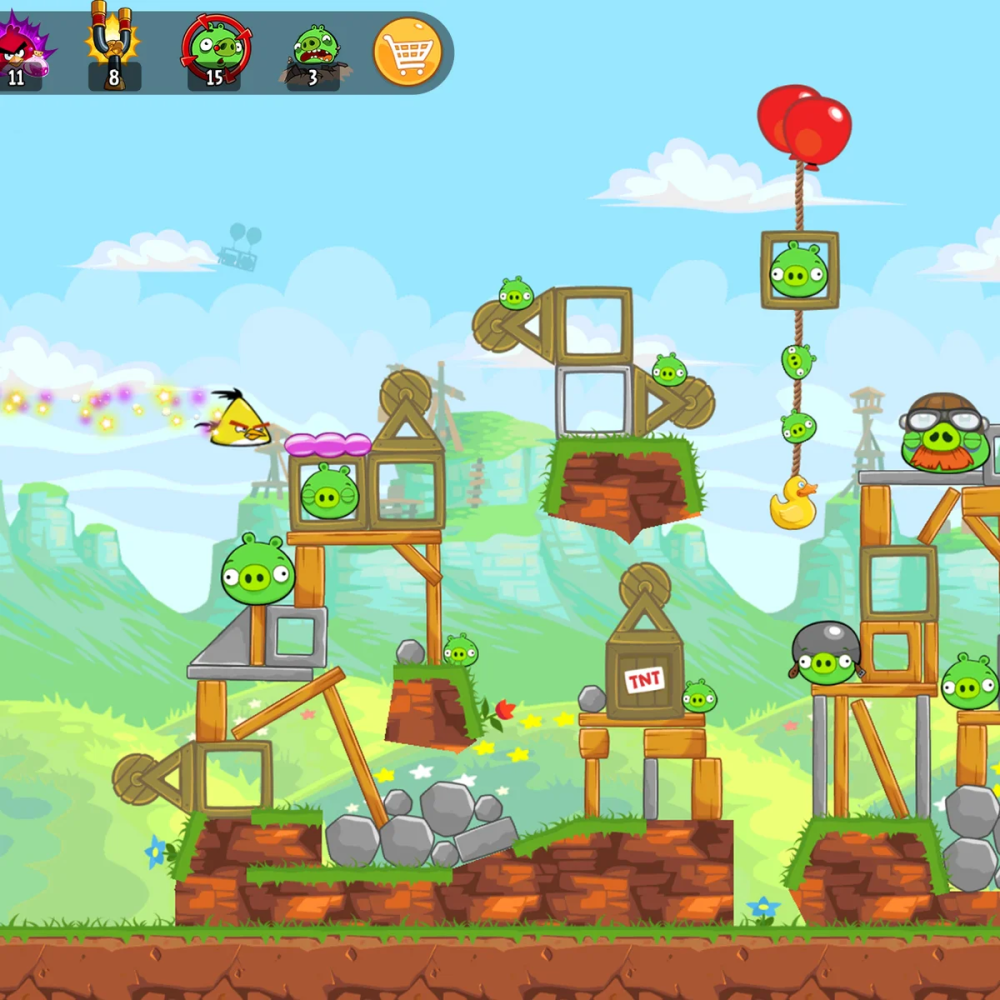
Games such as Angry Birds and later Clash of Clans showed that mobile could support games with sophisticated design, deep progression systems and enormous audiences.
Mobile had finally become a platform where original games were born.
Then mobile became competitive
The next question was obvious: if people were willing to spend serious time playing on mobile, could they also compete seriously there? The answer arrived surprisingly early.
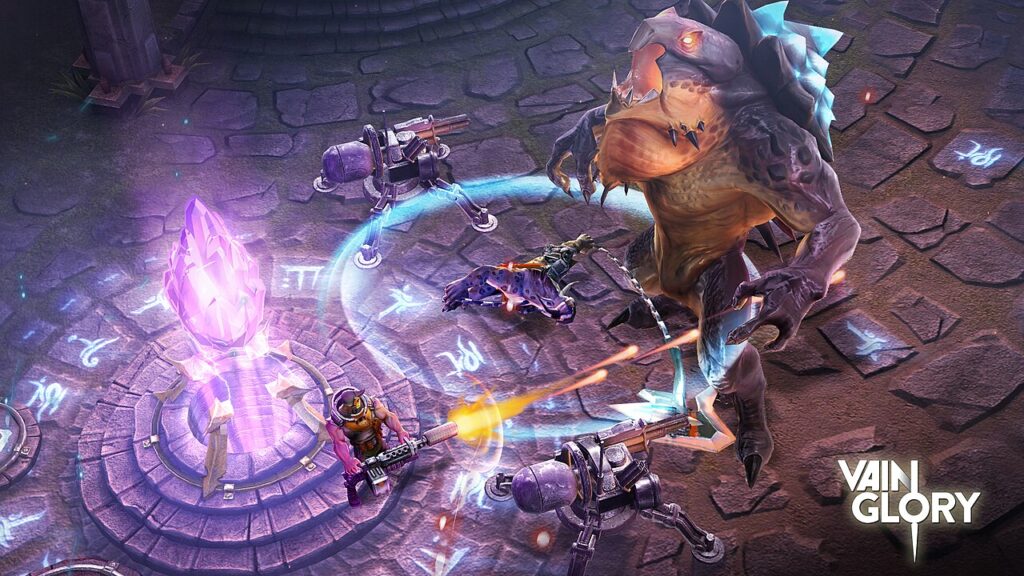
Vainglory is a useful milestone. Released in 2014, the mobile MOBA became the first touchscreen game recognised by Guinness World Records as an esports title. Its first international professional tournament, the Vainglory World Invitational, took place in South Korea in 2015, bringing together teams from Europe, North America, China, Southeast Asia, Korea and Japan.
It was an important moment because the phone was becoming a legitimate competitive device. And the ecosystem kept growing. PUBG Mobile launched in 2018 and quickly developed its own competitive structure. Its Club Open, introduced in 2019, created a pathway for players and teams to compete across regional competitions and progress towards higher levels of the ecosystem.
Mobile Legends: Bang Bang followed a similar trajectory, building one of the world’s largest mobile esports ecosystems.
Mobile esports is now a global phenomenon
Fast forward to today and the scale is difficult to ignore.
Esports Charts reported a peak of 5.68 million viewers for the M7 World Championship of Mobile Legends. Numbers like that make it clear we’re long past the niche phase.

Moreover the competitive ecosystem is no longer built around a single tournament at the end of the year. Publishers and other players in the ecosystem are building qualifiers, regional circuits, seasonal competitions and pathways that give players different ways to participate.
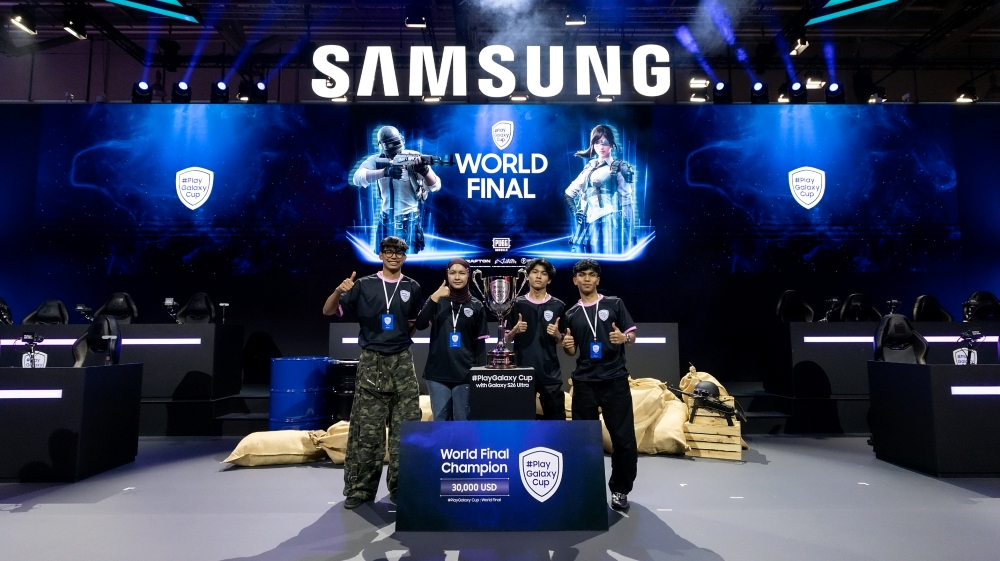
Samsung’s #PlayGalaxy Cup is a recent example. In 2026, the competition moved to a full-season format for the first time, with regional qualifiers across five regions leading to a global final at Gamescom. Ten teams from nine countries ultimately reached the final.
Call of Duty: Mobile provides a clear competitive pathway to its World Championship, starting with accessible in-game events and progressing to open tournaments.
But what about everyone else?
Professional esports is only one part of the story. For every player competing on a global stage, there are thousands who simply want to test themselves against friends, their community or the people they meet online.
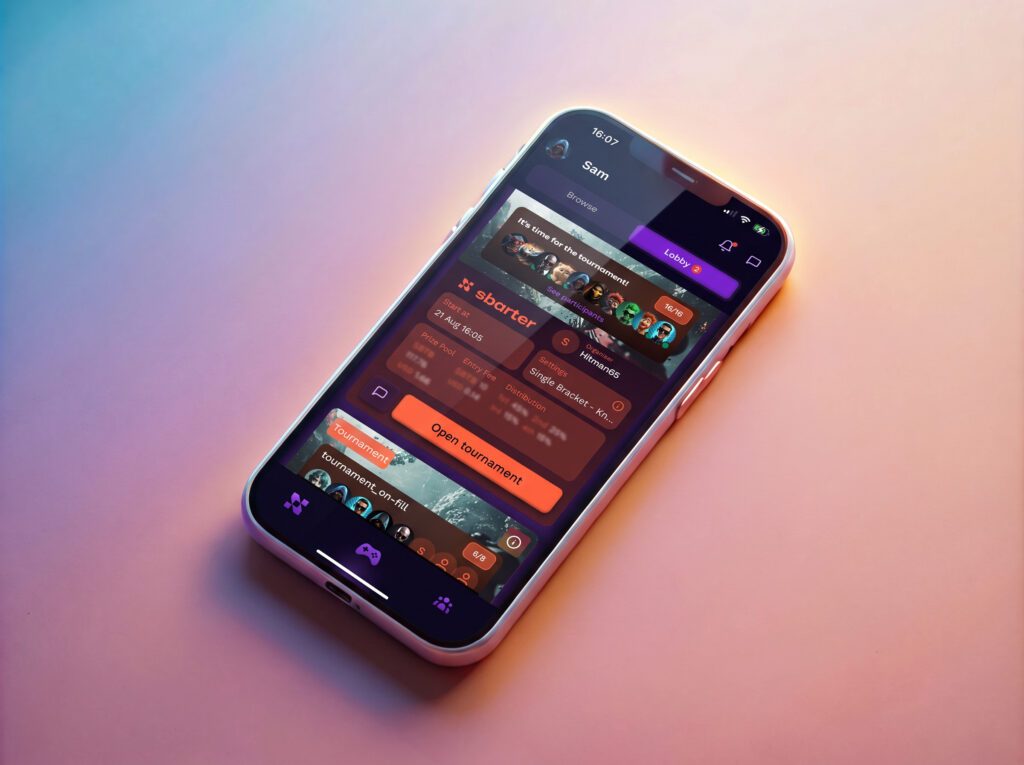
The question is how far that competition can spread. And At Sbarter, we think this is just the beginning.
The appetite for competition is growing at every level: players are looking for new ways to compete in the games they already love, creators want to run challenges for their audiences, and publishers are trying to build recurring events. The demand is there, but the underlying tech is complex.
That’s exactly why we built Sbarter. We provide the ready-made infrastructure that allows publishers and creators to launch competitive experiences for their existing communities, without having to build an entire tournament ecosystem from scratch.
Mobile gaming made it possible for anyone to play. We believe the next step is making it easier for anyone to compete.