For decades, the gaming industry has competed on content. Studios invested in better graphics, richer worlds, deeper mechanics, larger maps, and longer progression loops. The assumption was simple: if the game was good enough, players would stay.
That formula worked for a long time, but something has changed. Today, players have access to more games than ever before. New titles launch every week, content is abundant, and quality is no longer rare.
In a world where players can choose from thousands of polished experiences, gameplay alone is becoming less capable of creating long-term loyalty. Increasingly, players stay because of something else. They stay because they belong.
From playing a game to inhabiting a world
The shift is subtle, but significant. Players no longer join a game solely because of its mechanics. They join a world, a community, or a culture. They want to understand who they can become inside that ecosystem and what role they can play within it.
This is particularly visible in multiplayer and competitive games, where the experience is often shaped as much by other players as by the game itself: a guild, a team, a faction, a creator’s community, or a group of rivals. These social structures create meaning that extends beyond the gameplay loop.
At some point, players stop logging in for the content alone. They log in because their friends are there, because their community expects them, or because they feel connected to something larger than themselves.

Why identity is becoming a retention driver
One of the clearest examples of this evolution is the rise of self-expression. For years, cosmetics were often treated as optional visual upgrades. Today, they serve a much broader purpose.
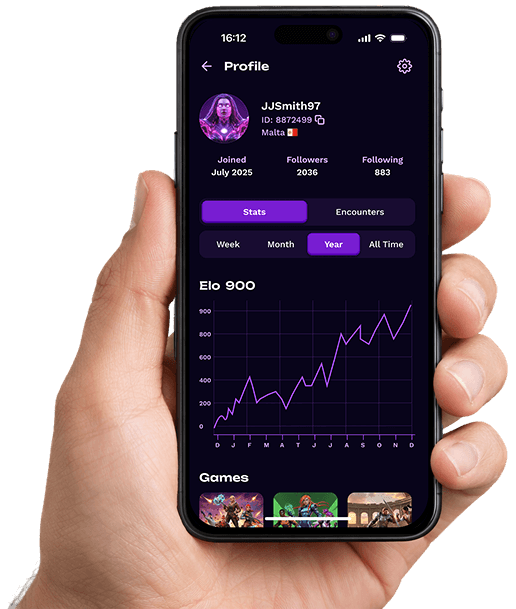
A skin can signal experience. An avatar can communicate status. A banner, title, or badge can tell a story about where a player has been and what they have achieved. With these cosmetics, players are clearly building an identity. It is about visibility, recognition, and belonging. This helps explain why these options have become so powerful.
The same logic applies to social groups. Wearing the colors of a guild, participating in community events, or representing a creator’s community often carries more emotional value than completing another mission.

This evolution has important implications for publishers. Traditionally, publishers were content creators. Their role was to build experiences and deliver updates that kept players engaged.
Increasingly, they are becoming community architects. Their challenge is no longer only to create compelling gameplay, but to create environments where relationships, reputations, and collective experiences can emerge over time.
The strongest ecosystems today are often those where players feel that their participation matters beyond the next match. That means designing systems that support self-expression, social recognition, and long-term group identity. Without these layers, even excellent games can struggle to maintain momentum.

Why guilds are making a comeback
Guilds have existed almost as long as online gaming itself, but their role is evolving. They are no longer just practical tools for organizing raids or coordinating schedules. They are becoming social anchors.
The most successful gaming communities increasingly resemble small digital societies, with their own culture, traditions, hierarchies, and shared memories. This changes the way players evaluate a game. A content update can attract attention for a few weeks, while a strong community can keep players engaged for years.
In many cases, players stay because of the people, not because of the latest patch.
What this means for the future of gaming
None of this means gameplay is becoming irrelevant. Quite the opposite. Great gameplay remains the foundation of every successful game. But it is increasingly becoming the entry ticket rather than the final destination.
If gameplay attracts, community retains, and identity creates attachment. The games that thrive in the years ahead may not simply be those with the best mechanics. They may be the ones that give players meaningful ways to express themselves, connect with others, and build lasting social value.

Where Sbarter fits in
At Sbarter, we believe this shift extends beyond games themselves. Competitive moments are among the strongest opportunities for players to create memories, build reputations, and strengthen their connection to a community.
This is why we are building tools that enable players and creators to organize competitive gaming events with real stakes inside existing gaming ecosystems. Our ambition is not to replace the games players love, but to help create more moments around them: more competition, more participation, more shared experiences.