And why the next chapter belongs to creators.
Competitive gaming has been around for over 50 years, but it has never felt more alive than it does right now. We traced the full rise of the phenomenon, from 24 players in a Stanford basement to prize pools that fill arenas worldwide. One thing kept standing out: at every turn in its history, a new technology opened the door a little wider, letting more players in, raising the stakes, and building something that looked less and less like a hobby and more and more like a sport.
It all started with a magazine subscription
In 1972, 24 players gathered at Stanford University for what is often considered the first video game tournament ever, a Spacewar! competition with a Rolling Stone subscription as the only prize. Nobody was watching, nobody was sponsoring anything. Just players trying to settle who was best at the game.
Eight years later, the stakes looked very different. In 1980, Atari organized the Space Invaders Championships, the first national gaming competition, bringing together over 10,000 players across the US. The arcade market was exploding at the same time, growing from $50M in 1978 to $900M in 1981. Competitive gaming had found its first real crowd.
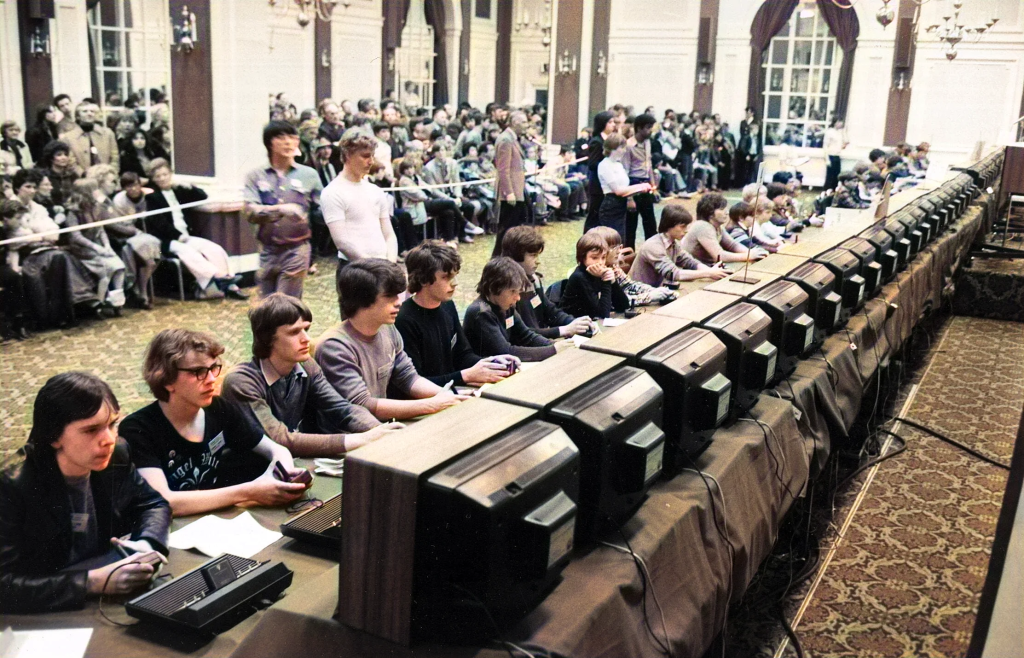
The Space Invaders Championship organized by Atari in 1980.
The golden age nobody talks about
The 1990s are mostly remembered as a golden era for video games. What gets overlooked is that they also mark the true birth of competitive gaming as we know it. The Nintendo World Championships and EVO, called Battle by the Bay at the time, set the stage. Street Fighter II brought a new kind of intensity to competition, one built around skill, reads, and split-second decisions. In basements everywhere, LAN parties were quietly doing something just as important: giving players a reason to show up in person, together.

A LAN party in the 90s.
Going pro
No country took competitive gaming more seriously, earlier, than South Korea. StarCraft became a national sport, broadcast on dedicated TV channels and followed like football. The rest of the world caught up quickly, building leagues, training facilities, and professional structures around games. The CPL introduced $1M prize pools, and pro gaming became a legitimate career path for the first time.
Then Twitch changed everything
Streaming did to esports what cable TV did to traditional sports: it turned a live experience into a global one. Suddenly, anyone anywhere could watch the best players in the world compete in real time. Esports stopped being something you had to seek out and became something you stumbled into. LoL Worlds 2024 peaked at 6.9M concurrent viewers. Dota 2‘s The International hit $40M in prizes. The scale had simply become the new normal.
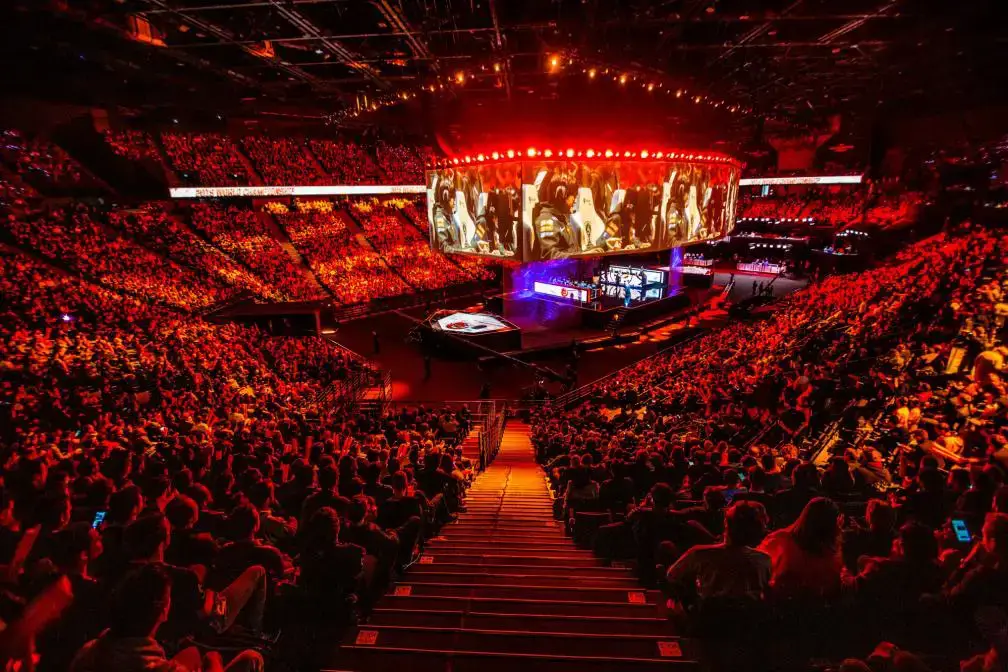
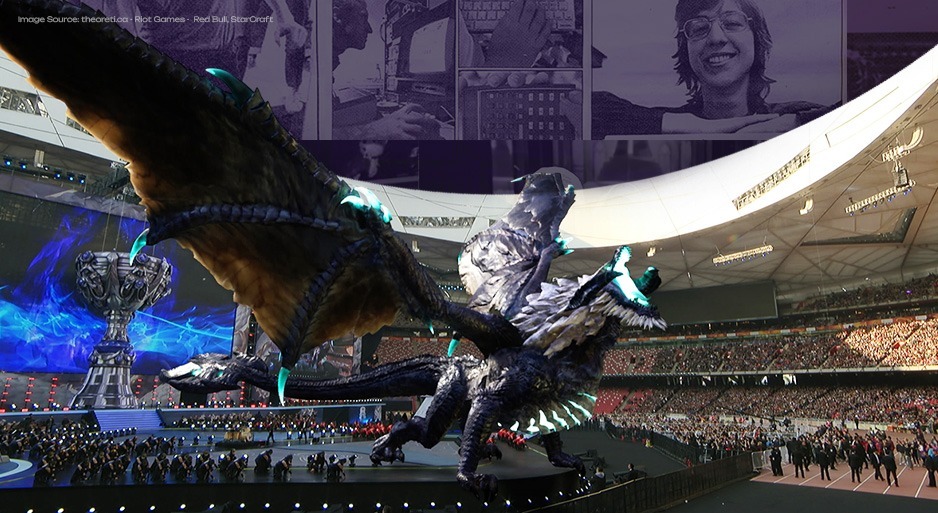
Worlds final 2019.
The shift nobody saw coming
The latest evolution has nothing to do with prize pools or production budgets. It’s about who the audience actually follows. At Valorant Champions 2025, 58% of total viewership came from co-streamers rather than the official broadcast. And according to BCG’s Video Gaming Report 2026, 55% of gamers say they would try a new game just because their favorite creator switched to it. Creators don’t just cover competitive gaming anymore, they decide who watch it.
Sources: Esports Charts / Esports Insider, Oct. 2025 · BCG Video Gaming Report 2026, Dec. 2025
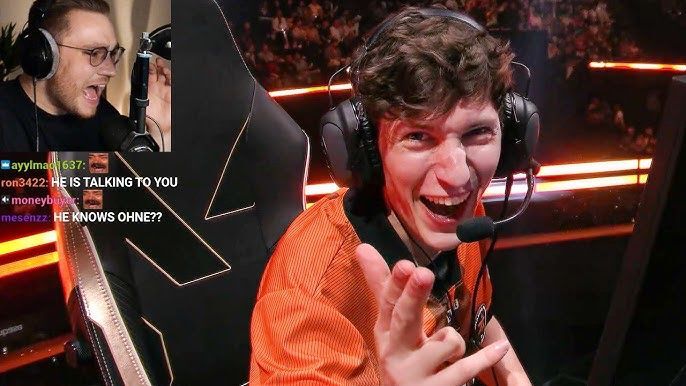
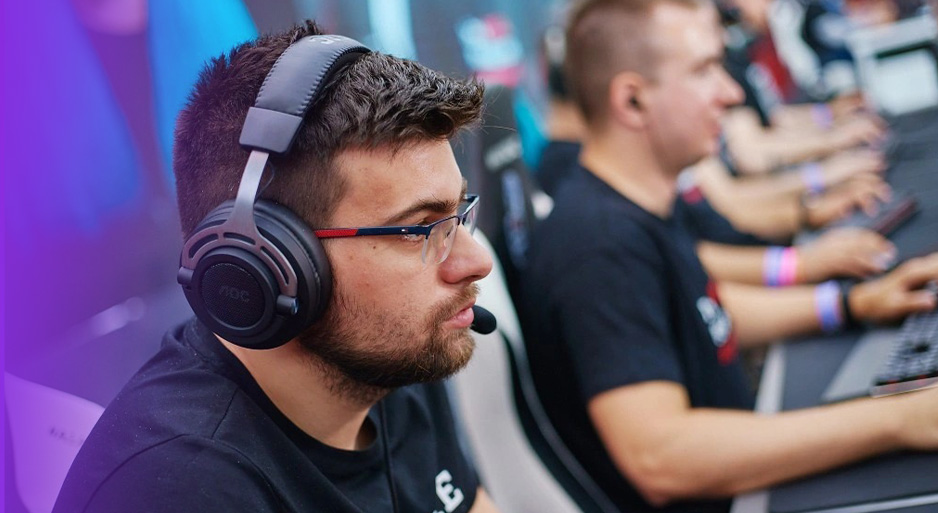
ohnePixel live on stream.
What comes next
We believe the next chapter will be written by creators themselves. The industry spent decades building infrastructure for professional organizations. The tools, the platforms, the audiences were never really designed for a person with 50,000 followers who wants to run a tournament for their community on a Saturday afternoon.
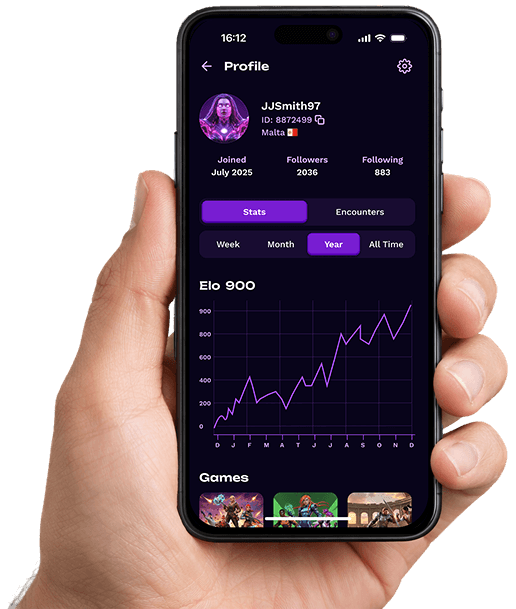
That’s what we’re building at Sbarter. Our mission is to give any creator the tools to launch their own competitive tournament in just a few clicks, turning passive audiences into communities that actually play together.
The biggest tournaments of tomorrow won’t only come from major organizations. They’ll come from creators who know their communities better than anyone.